Tips for Creating a Relaxing and Productive Home Workspace

Working from home has become a common reality for many people, bringing both opportunities and challenges. One of the biggest challenges is setting up a workspace that supports both relaxation and productivity. Creating the right environment can help you concentrate, stay motivated, and feel comfortable throughout the day. Here are some helpful tips to design a home workspace that promotes both calmness and efficiency.
1. Choose the Right Location
Selecting where to set up your workspace is a key first step.
– Find a quiet spot: Try to avoid high-traffic areas in your home to minimize distractions.
– Natural light: Look for a place near a window. Natural light can improve mood and alertness.
– Separate work and personal life: If possible, dedicate a specific room or corner solely for work to create mental boundaries.
2. Invest in Comfortable and Ergonomic Furniture
Comfort is crucial to maintaining productivity and preventing strain.
– Ergonomic chair: Choose a chair that supports your back and allows you to sit with proper posture.
– Desk height: Your desk should allow your elbows to bend at about 90 degrees while typing.
– Adjustable options: Consider a sit-stand desk or accessories that help you switch positions.
3. Keep the Space Organized
Clutter can cause stress and reduce focus. A tidy workspace helps keep your mind clear.
– Storage solutions: Use shelves, drawers, or organizers to keep supplies and documents neat.
– Daily clean-up: Spend a few minutes each day tidying your area.
– Minimal decorations: Keep only a few personal items that inspire you without being distracting.
4. Use Calming Colors and Decorations
Colors and decor influence your mood and productivity.
– Soothing colors: Soft blues, greens, or neutrals are calming and help maintain focus.
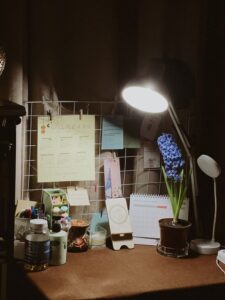
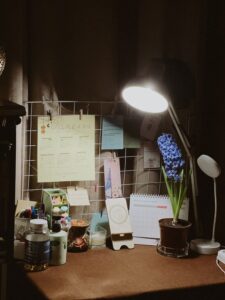
– Plants: Adding greenery can reduce stress and improve air quality.
– Inspirational items: Include artwork or quotes that motivate you without overwhelming the space.
5. Control Lighting and Reduce Eye Strain
Proper lighting prevents fatigue and helps concentration.
– Layered lighting: Use a combination of natural light, overhead lighting, and a desk lamp.
– Reduce glare: Position screens perpendicular to windows and consider anti-glare protectors.
– Adjust brightness: Set your screen brightness to match the ambient light.
6. Manage Noise Levels
Noise can disturb your concentration, but some sounds might actually help.
– Noise-canceling headphones: These are great for blocking unwanted sounds.
– Background noise: Some people find soft music or white noise improves focus.
– Quiet hours: Communicate boundaries with family or housemates during work time.
7. Incorporate Break and Movement Areas
Taking breaks and moving around are essential for wellbeing and productivity.
– Designate a break spot: Even a small corner with a comfortable chair encourages rest.
– Stretching space: Have room nearby to stand, stretch, or do light exercises during breaks.
– Timer reminders: Use apps or alarms to remind yourself to take regular breaks.
8. Personalize Your Workspace Mindfully
Make your workspace feel welcoming without cluttering it.
– Personal touches: Add a photo, a favorite mug, or a small piece of art.
– Scent: Consider subtle scents from candles or essential oils that help you relax.
– Avoid distractions: Be selective with items to keep your focus sharp.
9. Optimize Technology Setup
A smooth technology setup enhances productivity.
– Reliable internet: Ensure your connection supports video calls and file transfers.
– Cable management: Use clips or sleeves to keep cords tidy and out of the way.
– Essential tools: Keep your most-used devices and accessories within easy reach.
10. Maintain Work-Life Balance
Your workspace setup can support healthy boundaries.
– Clear start/end routine: Begin and finish your workday in the same spot.
– Pack up at day’s end: Closing your laptop and putting away work materials helps signal downtime.
– Use your workspace only for work: Avoid using the area for leisure to keep the association clear.
—
Creating a relaxing and productive home workspace doesn’t require a big budget or complicated designs. By choosing the right location, getting comfortable furniture, controlling lighting, and managing distractions, you can build an environment that supports your best work while helping you feel calm and refreshed. Experiment with these tips until you find what works for you, and enjoy the benefits of a thoughtfully designed home office.